

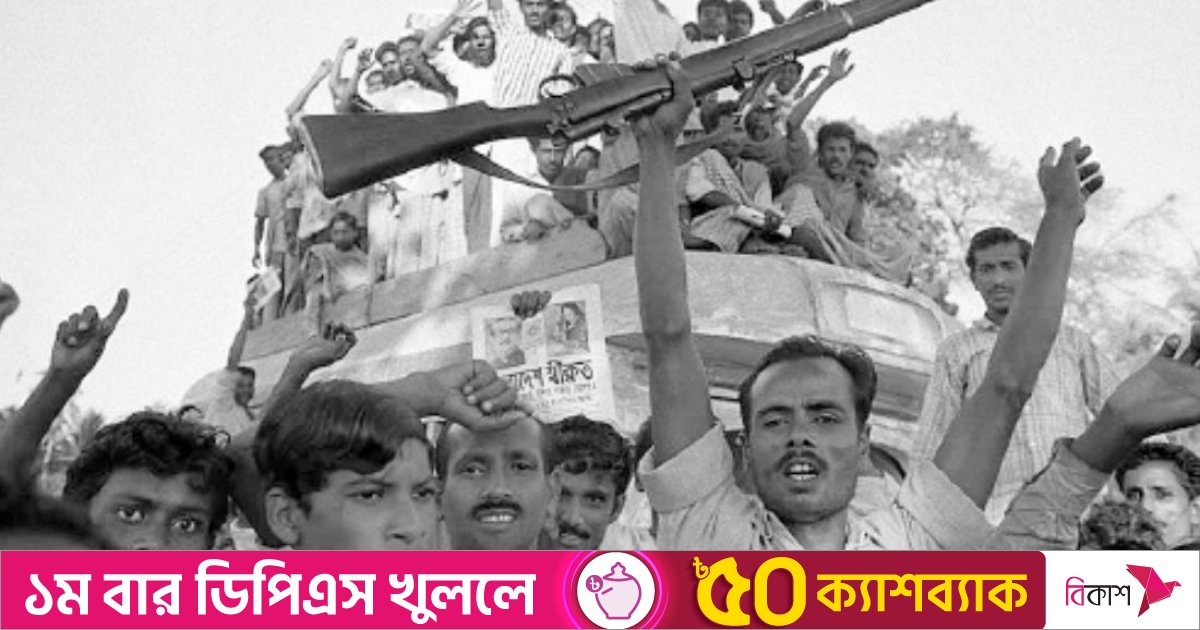
The geographical terrain of Bangladesh, including rivers, forests, and swamps, provided natural cover that allowed them to evade detection and launch surprise attacks. One of the notable achievements was “Battle of Gazipur” (June 1971), where a surprise attack on a Pakistani military outpost demonstrated the effectiveness of guerrilla tactics in the early months of the air. By carrying out “Attack on Kaptai Dam,” the guerrillas damaged this critical infrastructure to disrupt water and power supply to Pakistani-controlled areas.
In Dhaka and Khulna and other areas, guerrillas targeted military installations, communication hubs, and government offices with bombings, keeping the Pakistani forces on high alert.
The most important strategic side effect of guerrilla warfare was on the morale of the Pakistani military. These constant attacks stoked fear, insecurity, and hopelessness among the Pakistani troops. The element of surprise made the Pakistani military conscious at all times and it tapped away at their resources and energy. The volatility hampered the Pakistani military’s capacity to defend against the effective guerrilla actions and continue the control over the enveloped areas.
Guerrilla warfare was evidently favourable to both the Mukti Bahini and the Bangladesh army. Unlike conventional operations, guerrilla operations enabled the freedom fighters to fight the superior Pakistani forces in a way they could not prevent. The insurgents employed swift attacks, surprise attacks, and acts of sabotage and kept suffering minimal losses while causing severe impacts on the Pakistani forces.
Guerrilla warfare played a significant role in the mobilization of the community for the independence struggle. The freedom fighters, most of whom were civilians, enjoyed the support of the population of the country. This support was perhaps critical to guerrilla warfare since it secured the fighters food, safe havens, and offered them information as well. The locals would also join the guerrilla movement, which gave a feeling of national unity and integrity among the Bengali people.
The Mukti Bahini was composed of civilians, students, and former military personnel; they created several different sections as well as conducting operations all over Bangladesh. The Z force, the K force, and the S force were part and parcel of the Mukti Bahini involving tactics of guerrilla warfare to weaken the Pakistani military and mobilize resistance.
The Bangladesh Army trained and enabled the guerrilla fighters. Most camps were set up in different areas, inside Bangladesh and in the neighbouring country. These camps offered rudimentary militia drills, instructions in the use of arms, how to fight a guerrilla war, and how to survive. The roles and the gains of the Bangladesh Army in the process of guerrilla war were the key factors for the final triumph in the process of Liberation war.
The existing literature on guerrilla warfare proposes that the Bangladesh army and the Mukti Bahini also effectively used strategies that exposed weaknesses of the Pakistani military, gathered information, and mobilized the people’s support for the freedom fighters.
Through constant pressure on Pakistan forces through attacks, sabotage, and intelligence build-up, physical attrition and reduction of the effectiveness of forces, the Bangladesh army and Mukti Bahini depleted the capacity of Pakistan forces. This resulted in surrender of the Pakistani forces on December 16, 1971, and thus birth of the nation known as Bangladesh.
Significance of Victory Day
The war of independence and the day of victory is a core part of any Bangladeshi’s identity as a citizen. It signifies the realization of a nation where justice, equality, and democracy exist, and they are protected and established among the people. National victory day is a celebration of the declaration of independence and the ultimate victory created a bond of nationalism and pride among the people which remains everlasting.
During the liberation war, an estimated three million people were killed, and hundreds of thousands of women were subjected to sexual violence. This high cost of victory and immense sacrifices stand testament to the will of Bangladeshi people and their struggle for freedom.
Victory Day honours these sacrifices, serving as a reminder of the resilience and bravery of the Bangladeshi people. The
