

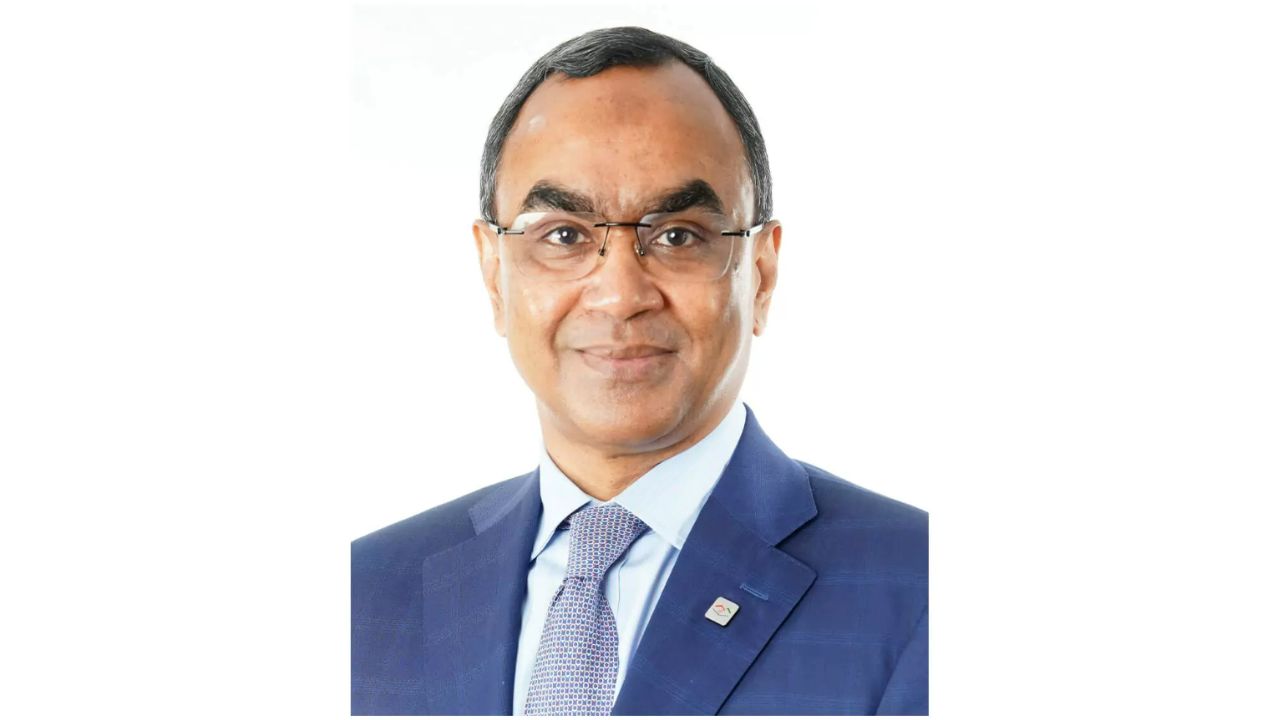
Bangladesh’s banking sector is heading into 2026 facing the risk of renewed interest-rate pressure as liquidity tightens, after a year marked by surging bad loans, capital erosion and governance failures, Syed Mahbubur Rahman told TIMES of Bangladesh in an interview.
The managing director and CEO of Mutual Trust Bank said that while external balances stabilised in 2025 due to higher remittances and central bank intervention, underlying stresses have left the system vulnerable to higher borrowing costs once credit demand and import pressures return.
Mahbubur Rahman, a former chairman of the Association of Bankers Bangladesh (ABB), said the foremost challenge of 2025 was the surge in non-performing loans, with the NPL ratio rising from 24.13 percent at the end of the first quarter to 34.40 percent in June and 35.73 percent by the third quarter.
“Undoubtedly, this was a massive challenge,” he told TIMES.
Capital stress compounded the pressure. Capital adequacy across the banking sector fell to critically low levels, dropping to just 4.5 percent by the end of September against a minimum regulatory requirement of 10 percent. The erosion of capital buffers left banks increasingly vulnerable, although the intensity of stress varied across institutions, he said.
Private-sector investment remained subdued. In the outgoing year, private-sector credit growth hovered between 6 and 7 percent. Rahman attributed the weakness to the absence of a conducive investment environment, saying that without confidence and policy clarity, demand for credit could not accelerate.
Heavy government borrowing added to the strain. At a time when bond yields had been declining, increased government demand for funds pushed bond rates upward again, intensifying pressure on liquidity within the banking system, he said.
Governance failures, he said, formed the another pillar of stress. In 2025, the sector experienced what he described as a major governance failure. Although the nature of the deficiencies differed from earlier episodes, governance remained a serious concern.
“If I have to name three challenges, they are NPLs, capital, and governance,” Mahbubur Rahman told TIMES.
This senior banker also pointed to the persistence of dual control in the sector, noting that alongside the central bank, the Financial Institutions Division continues to exercise authority over state-owned banks, complicating oversight.
Assessing the transition into 2026, Mahbubur Rahman said there were signs of improvement on the external front. Foreign exchange reserves and external accounts strengthened, and remittance inflows rose.
He linked the improvement primarily to the introduction of a free-floating exchange rate, which made the dollar rate largely market-demand driven. With imports of capital machinery declining, overseas dollar demand eased, supporting higher remittances.
With adequate dollars circulating in the market, Bangladesh Bank has been purchasing foreign currency regularly, acquiring $3 billion over the past six months alone. Rahman said this marked a significant shift from an earlier period when the central bank sold nearly $1 billion a month.
As a result USD purchase, reserves increased from around $15–16 billion to $28 billion. “We saw this improvement in 2025,” he said.
Syed Mahbubur Rahman also pointed to reform initiatives taken during the year. The Bank Resolution Ordinance expanded the central bank’s authority to take over any bank when necessary.
Risk-based supervision is another key step, under which banks will receive a single composite rating rather than multiple ratings, allowing regulators to prescribe customised remedies based on specific weaknesses. The framework is scheduled to begin in January 2026 and is expected to yield positive results during the year.
Legislative asset quality reviews, crisis quality assessments and forensic audits were also cited as constructive measures.
Looking ahead, Mahbubur Rahman warned that liquidity would be the dominant challenge in 2026 and that rising interest rates would be a central risk.
If elections are held smoothly, private-sector investment is expected to recover gradually, lifting demand for bank credit and intensifying capital stress across the system, with a heightened risk of higher borrowing costs.
While some expect the economy to take off immediately after the election, he told TIMES that recovery would take time even after a political transition.
At present, Bangladesh Bank is absorbing dollars from the market rather than supplying them, a process that drains liquidity but helps banks manage stress. However, Rahman cautioned that once post-election demand for capital machinery imports rises, pressure on the dollar market will increase, limiting the central bank’s ability to continue buying foreign currency at the current pace.
If such purchases stop, liquidity pressure will intensify further and interest rates will rise. “That is the reality,” he said.
Political continuity will also be critical. Rahman said the extent to which a new political government adopts and sustains the reform initiatives launched in 2025 will shape the sector’s trajectory, alongside the law-and-order situation.
He expressed concern over the fiscal outlook, noting that 51 percent of government expenditure is devoted to debt servicing, while revenue collection remains stuck at 7 percent of GDP.
Without stronger revenue mobilisation and restraint on wasteful spending, future governments risk being trapped in a debt cycle, a prospect he described as deeply worrying for 2026.
Beyond domestic pressures, Rahman warned of lingering uncertainties in global markets that could affect Bangladesh in the coming year. Energy security will remain a pressing issue, with many factories unable to operate at full capacity due to shortages, while cybersecurity will also pose a major challenge throughout 2026.
Alongside the challenges, he pointed to potential opportunities, telling TIMES that there is hope a new political government would continue reforms, adopt a business-friendly approach and take the necessary steps to help the economy take off.
