

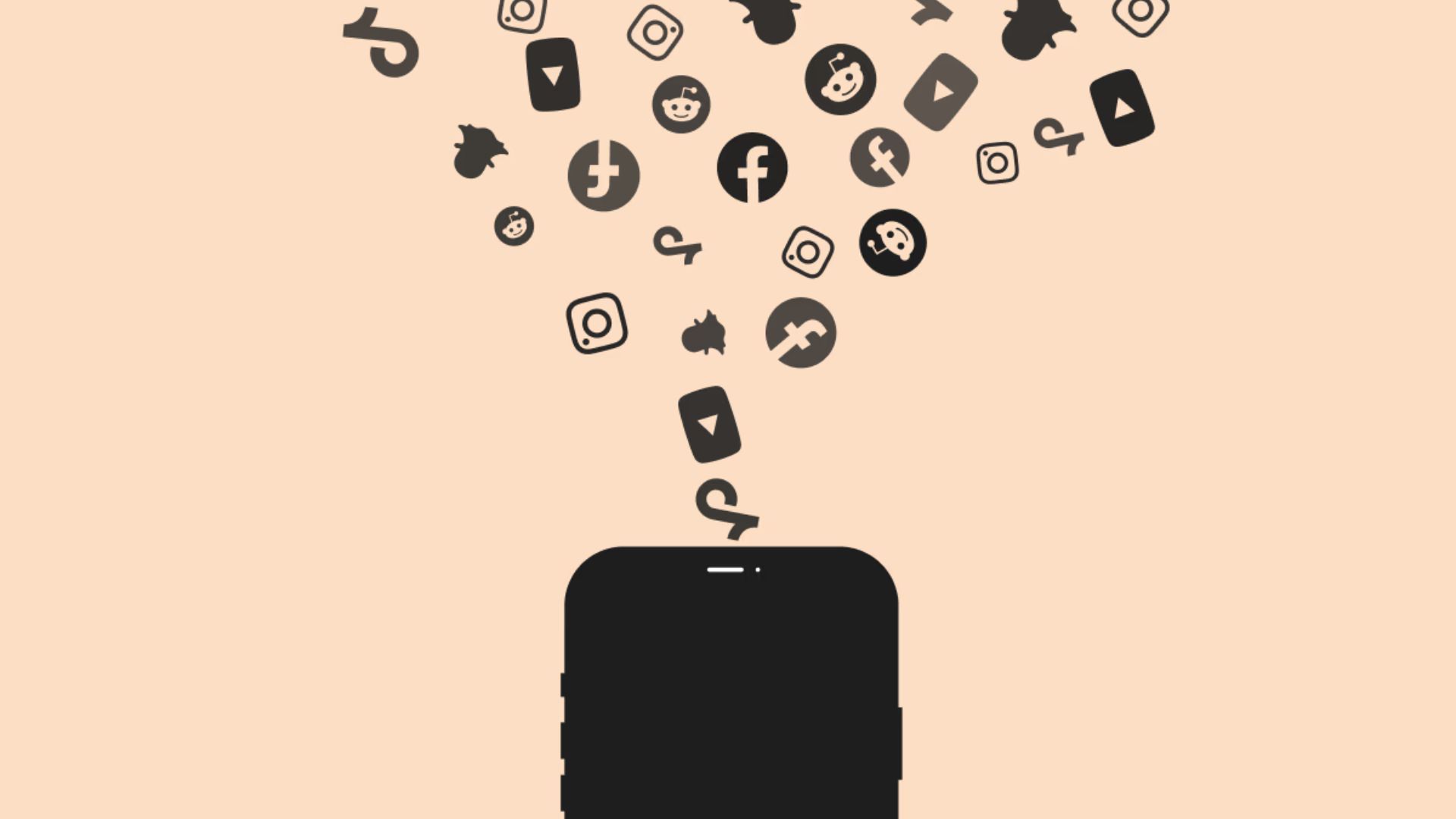
Back in the good old days of the internet, social media like Facebook, Instagram or X (formerly known as Twitter) were just this basic space for us. There we could connect, make friends, post photos, or share our thoughts and opinions. As simple as that! Or so we thought.
Turns out, if something is too good to be true, it really is too good to be true. How many of us have searched the internet looking for a particular thing, and the next day, have found our newsfeed miraculously flooding with ads or items related to that? The answer is obvious to all of us.
While that seems like a pretty convenient thing, looking at the big picture, it really is not anymore. Social media algorithms make sure that our feed is only filled with posts or content based on our preferences, the things that are relevant to us. The companies collect vast amounts of data about their users and then direct them to companies waiting to lure the users with their products or services, spanning from clothes, food and makeup to even politics.
This exchange makes sure that the social media companies now might know more about us than even our friends or family. Based on their perception of us, they create our very own customised virtual reality, where we now only see things through tunnel vision, unaware of the actual reality or the complexities going on around us. We basically live in a bubble, where it is very easy for social media companies to control our minds by blurring our perceptions.
Also, think about how living in that bubble fuels a person with. What lies dormant in him now finds its group of supporters, and then it is no longer dormant. That is why there has been a rise in hate crimes, extreme nationalism, racism and sexism, fuelled by social media.
There has been rising concern about the influence of social media companies in the political sphere, too. By now, we are well aware that the algorithms are designed to create a feed for us with content meant to appeal to us and keep us hooked. But some recent incidents have proved that it goes even beyond that.
A poll by the Pew Research Center found that “About three in four Americans feel it is very likely or somewhat likely that social media sites intentionally censor political viewpoints that they find objectionable.” So now the tech giants not only make us stay in a box, but they also actively meddle with the contents in that box.
This gives us something to ponder about. How much of our thoughts or actions are really ours, and how much of it is influenced by external factors like social media?
If they can have such a hold over our thoughts, decisions, and actions, it is safe to say that social media companies are indeed getting too powerful. How we are going to deal with it is the question that seems to remain, because they are here to stay.
