

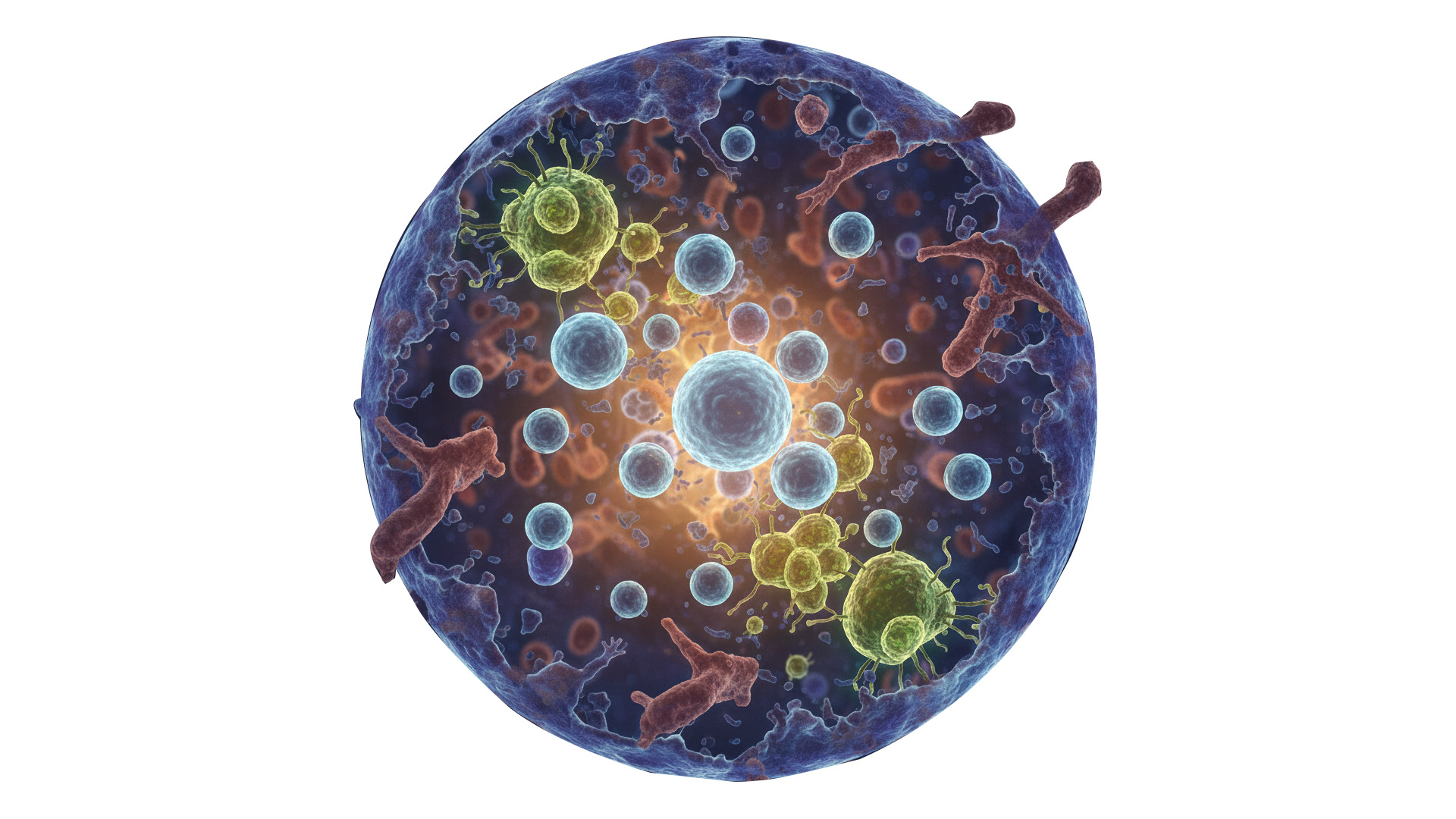
A recent study from the University of Southern California shows that the human body has a natural, built-in mechanism for immune system repair: prolonged fasting. According to the study, a 72-hour fast forces the body to decrease its white blood cell count, which then prompts the regeneration and production of new, replacement immune cells, effectively renewing the entire system.
By forcing the body to use ketones and stored fat instead of glucose for energy, this metabolic change stimulates stem cells. These stem cells then generate a new supply of white blood cells, which are crucial for defending against infections and maintaining immune equilibrium.
Lead researcher Dr Valter Longo described the process as a “reset button” for the immune system. He explained that fasting clears out old, damaged immune cells, and then refeeding activates stem cells to produce a fresh supply of new, healthy ones.
This finding is expected to have major implications for people with weakened systems, such as older adults who experience an age-related decline in immune response, also cancer patients receiving chemotherapy.
However, despite the assuring potential, experts warn that extended fasting should only be attempted under the guidance of a doctor, as it may pose risks for some individuals.
While more study is required to establish long-term safety and effectiveness, health professionals believe these results justify exploring fasting as a clean and cost-effective strategy to enhance the immune system.
Shorter fasting approaches like intermittent fasting are already well-known for helping with weight and metabolism. But the 72-hour fast appears to take this a step further by potentially rejuvenating one of the body’s most vital defence systems.
