

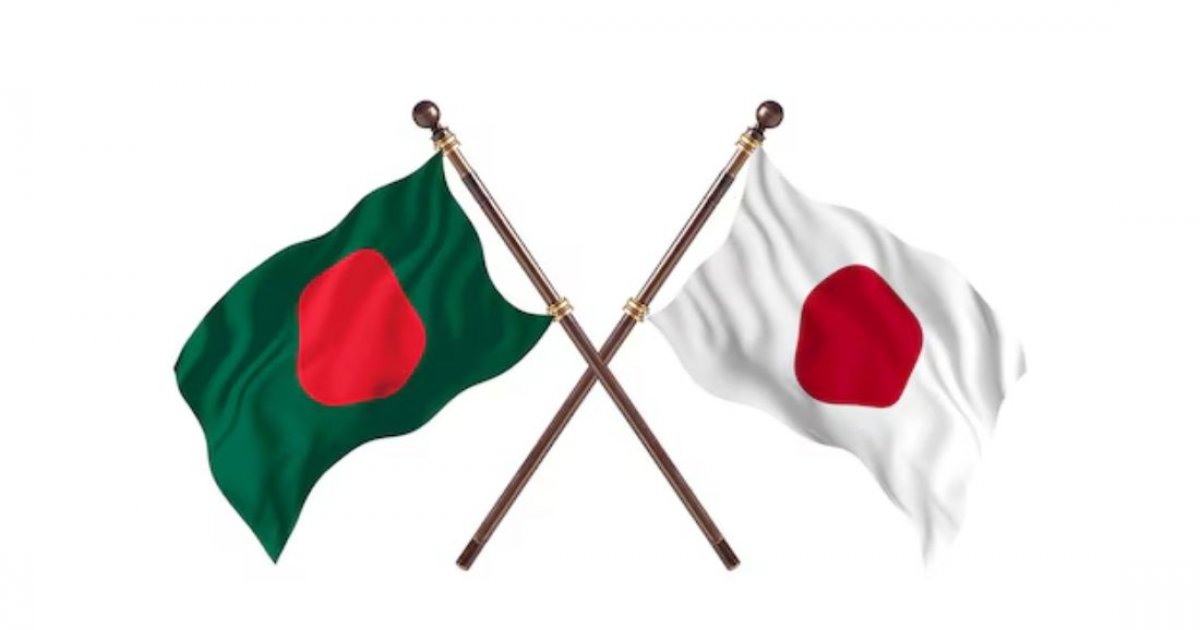
There is reason to be optimistic about Bangladesh’s first Economic Partnership Agreement (EPA) with Japan, which could be a turning point in our trade diplomacy, opening doors not only for exports but for transformative investment opportunities that are essential if we are to successfully reshape our economy.
This agreement ensures duty-free access for 97% of Bangladeshi exports, including garments, while deliberately excluding Japanese automobiles from duty-free entry. Such a strategic choice encourages Japanese firms to invest directly in Bangladesh’s automotive sector.
It goes without saying that if Toyota, Honda, or Subaru were to establish assembly or production facilities here, the ripple effects would be immense for the entire economy – job creation, technology transfer, and the potential birth of a domestic automotive industry.
Japan is already our largest Asian export destination, with shipments worth around $2 billion annually. Yet, the fact that Japanese investment in Bangladesh remains modest, at about $500 million, means there is untapped potential there and the EPA provides the framework to change that.
With 97 service sub-sectors opened to Japan, and 120 reciprocated by Tokyo, the scope for collaboration extends far beyond RMG and into ICT, logistics, healthcare, and renewable energy.
However, this is where we must prove that we are ready as well. If Bangladesh can demonstrate efficiency in customs procedures, uphold intellectual property rights, and ensure a stable regulatory environment, not just Japanese, other foreign capital, will flow in greater volumes.
We must therefore rise to the challenge of executing effectively. If we can match ambition with effective facilitation, this partnership with Japan could be just the first step of our post-LDC growth story.
