

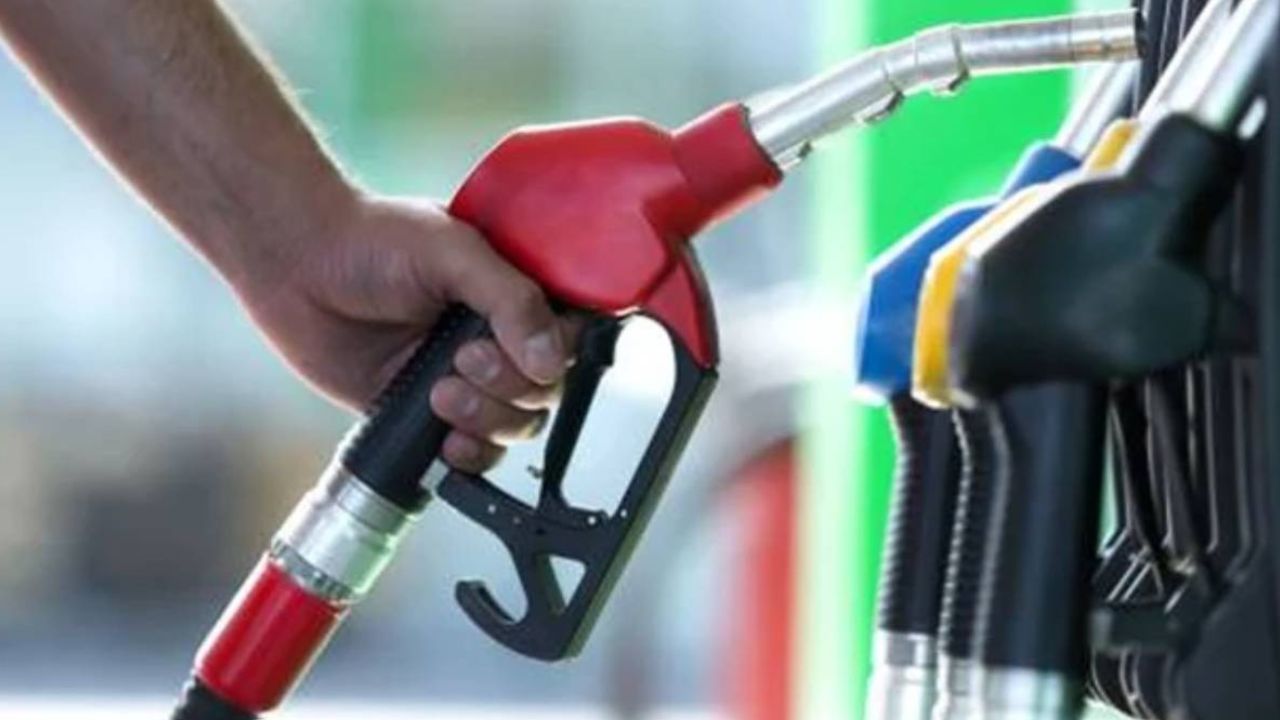

‘Fuel crisis’ the top news in Bangladesh nowadays. There are long queues at fuel stations whenever you step out onto the streets. This situation has been ongoing for more than a month.
Even after standing in line for hours, people are often unable to get fuel. If this continues, the crisis will only worsen.


The government claims that there is sufficient fuel supply, yet consumers are not getting it—raising a big question: what is really going on? Is this crisis real, or is it man-made?The persistent tension in the Middle East, particularly the war between Iran and Israel, has once again brought up a crucial question: Is the gasoline crisis in Bangladesh genuine or is it being overstated? We must examine both Bangladesh’s fuel status and global issues in order to fully comprehend this.
Let’s start by discussing the global factor. The Strait of Hormuz, also called Hormuj Pronali locally, is one of the most important links in the global oil supply network. Approximately 20% of the world’s oil supply travels through this small sea channel every day, connecting the Persian Gulf to the open ocean. This path becomes dangerous when the dispute with Iran intensifies.
Oil shipments can be disrupted and world prices raised just by the prospect of an assault or blockade. The war between Iran and Israel has made shipping companies more cautious, increased the cost of insurance, and hindered the flow of oil. Bangladesh and other nations that rely heavily on imports have been adversely impacted by the rise in global gasoline prices.
Let’s now examine the internal circumstances in Bangladesh. Every day, the nation uses a lot of gasoline. Recent estimates place Bangladesh’s daily demand for petroleum products at 6.5 and 7 million liters, with gasoline and octane accounting for a sizable amount for transportation.
Private automobiles, motorbikes, and CNG-powered vehicles that require premium gasoline frequently utilize octane alone. But Bangladesh’s domestic fuel production is quite low. The majority of refined fuels and nearly all octane are imported, mostly from Middle Eastern nations. This implies that local availability is instantly impacted by any disruption in global supply. Typically, Bangladesh Petroleum Corporation (BPC) keeps a few weeks’ worth of reserves.
However, if supply lines slow down during uncertain times, these reserves may soon become insufficient. That’s precisely what’s taking place right now. Supply is being constrained by shipment delays and increased import expenses. Consequently, there are indications of a true crisis.
Diesel and octane are in short supply at many gas stations. Particularly in cities, long lines are becoming the norm. In rural areas, irrigation and agriculture are also being affected due to diesel shortages.
However, this is not the full picture. Alongside the real shortage, there is also an artificial dimension to the crisis. When people hear about a possible shortage, they often start panic buying. Vehicle owners try to fill their tanks more frequently than needed. Some even store extra fuel in containers. This sudden rise in demand creates pressure on an already weak supply system.
Moreover, there are allegations of hoarding and black marketing. Some dishonest traders and middlemen may store fuel secretly and sell it later at higher prices. This creates an artificial scarcity in the market, making the situation worse than it actually is.
Another issue is distribution inefficiency. Even when fuel is available in central storage, it may not reach all regions equally due to logistical challenges. This creates uneven shortages when some areas suffer more while others remain relatively stable.
So, the crisis is real, but it is being intensified by artificial factors as the shortage started globally, but getting worsened locally. The root cause lies in the global situation, the Iran–Israel conflict and the uncertainty around the Strait of Hormuz. Bangladesh, being highly dependent on imported fuel, cannot avoid this impact.
But local behaviors like panic buying, poor distribution, and unethical practices are making the situation more severe.
To manage this crisis, both the government and the public have important roles to play. The government must ensure strict monitoring of fuel distribution, prevent hoarding, and maintain transparency about supply levels. At the same time, people should avoid unnecessary panic and use fuel responsibly.
In the long run, Bangladesh must reduce its dependence on imported fuel. Investing in renewable energy, improving energy efficiency, and increasing storage capacity can help the country become more resilient.
The fuel crisis is not just a shortage of oil, it is a test of management, responsibility, and planning.
If handled wisely, Bangladesh can overcome it. But if fear and mismanagement continue, even a manageable crisis can turn into a severe national problem. Understanding all these factors is the first step toward solving the problem.
Muktasha Deena Chowdhury is Associate Professor & Head of the Dept. of Business Administration at Asian University of Bangladesh, E-mail: [email protected]
