

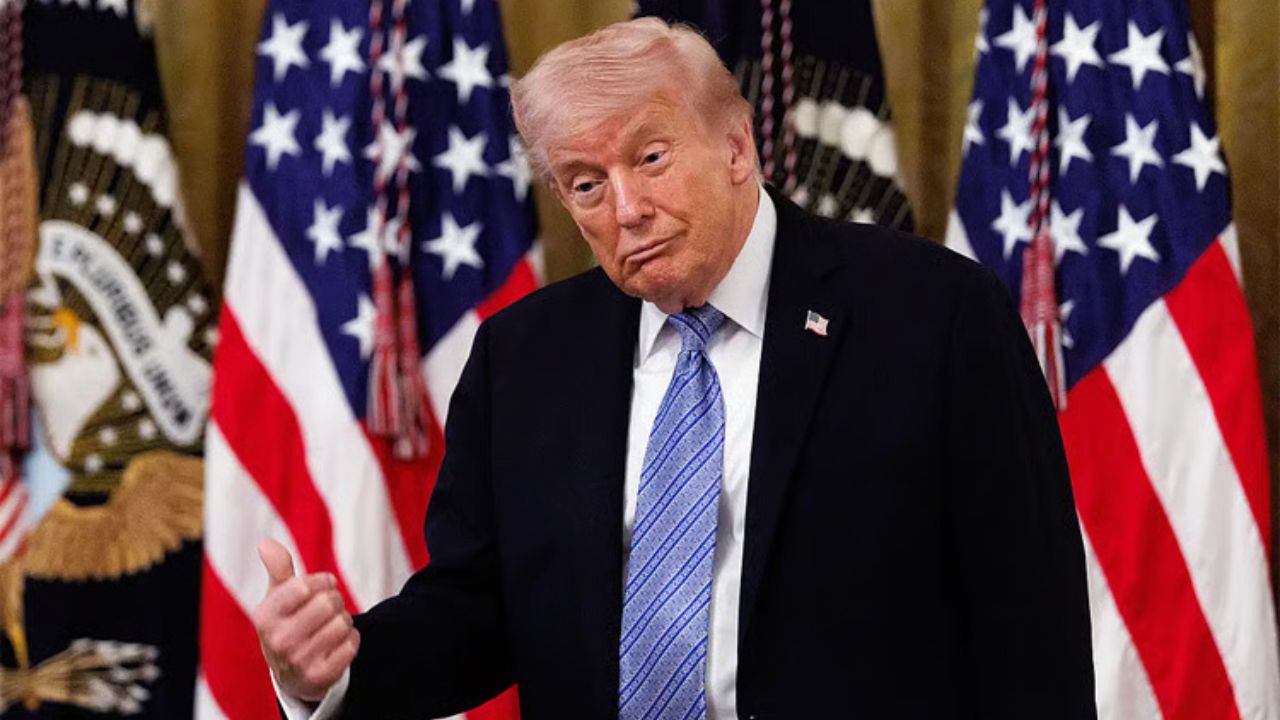
As the United States prepares to mark its 250th anniversary next week, the international community is witnessing a significant departure from the traditional norms of American civic celebration.
What was originally envisioned by the US Congress as a non-partisan, unified commemoration of the nation’s founding has been largely supplanted by a parallel initiative that places President Donald Trump at the absolute centre of the festivities.

Through the establishment of “Freedom 250” – an entity created by executive order in January 2025 – the White House has effectively sidelined the congressionally authorised “America 250” commission, transforming a historical milestone into a personal and political showcase.

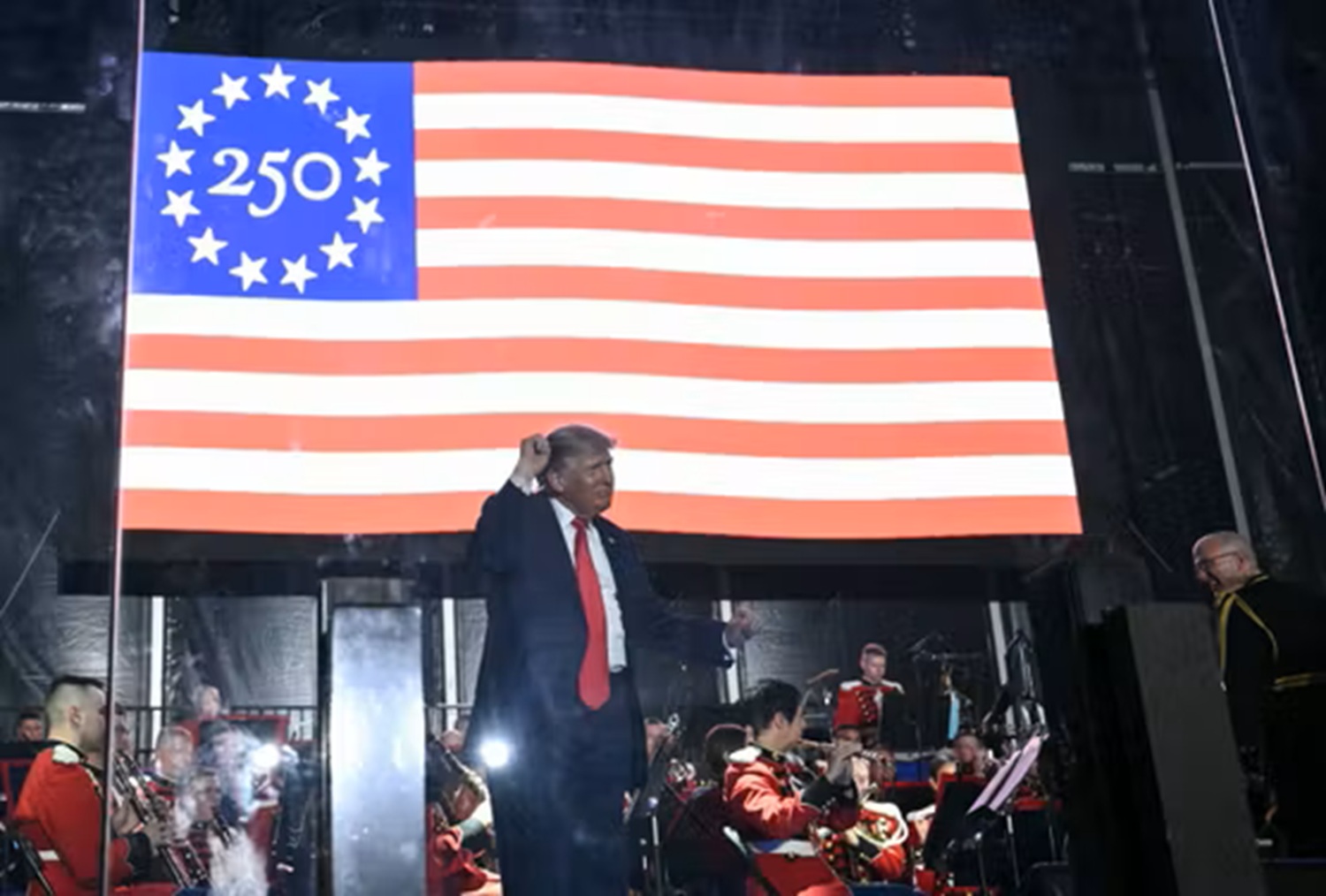
The shift in tone was palpable during the recent kickoff for the “Great American State Fair” on the National Mall. While such events are typically reserved for inclusive national reflection, this gathering adopted the distinct atmosphere of a partisan rally.
The musical programme featured “God Bless the USA” and “YMCA,” both synonymous with the US president’s campaign appearances, performed by Lee Greenwood and the US Marine Band.
The overtly political nature of the proceedings led several scheduled artists to withdraw from the ceremony, with many claiming they had been misled regarding the non-partisan intent of the event.
A departure from historical precedent
This personalisation of the semi quincentennial stands in stark contrast to previous American milestones.
During the centennial in 1876 and the bicentennial in 1976, Presidents Ulysses Grant and Gerald Ford delivered addresses that focused on the collective progress of the republic rather than partisan agendas.
Those earlier commemorations were notably absent of the individualised fanfare currently on display. In contrast, the upcoming 4 July rally at the Washington Monument has been explicitly marketed as a “Trump rally” alongside its status as a national tribute.
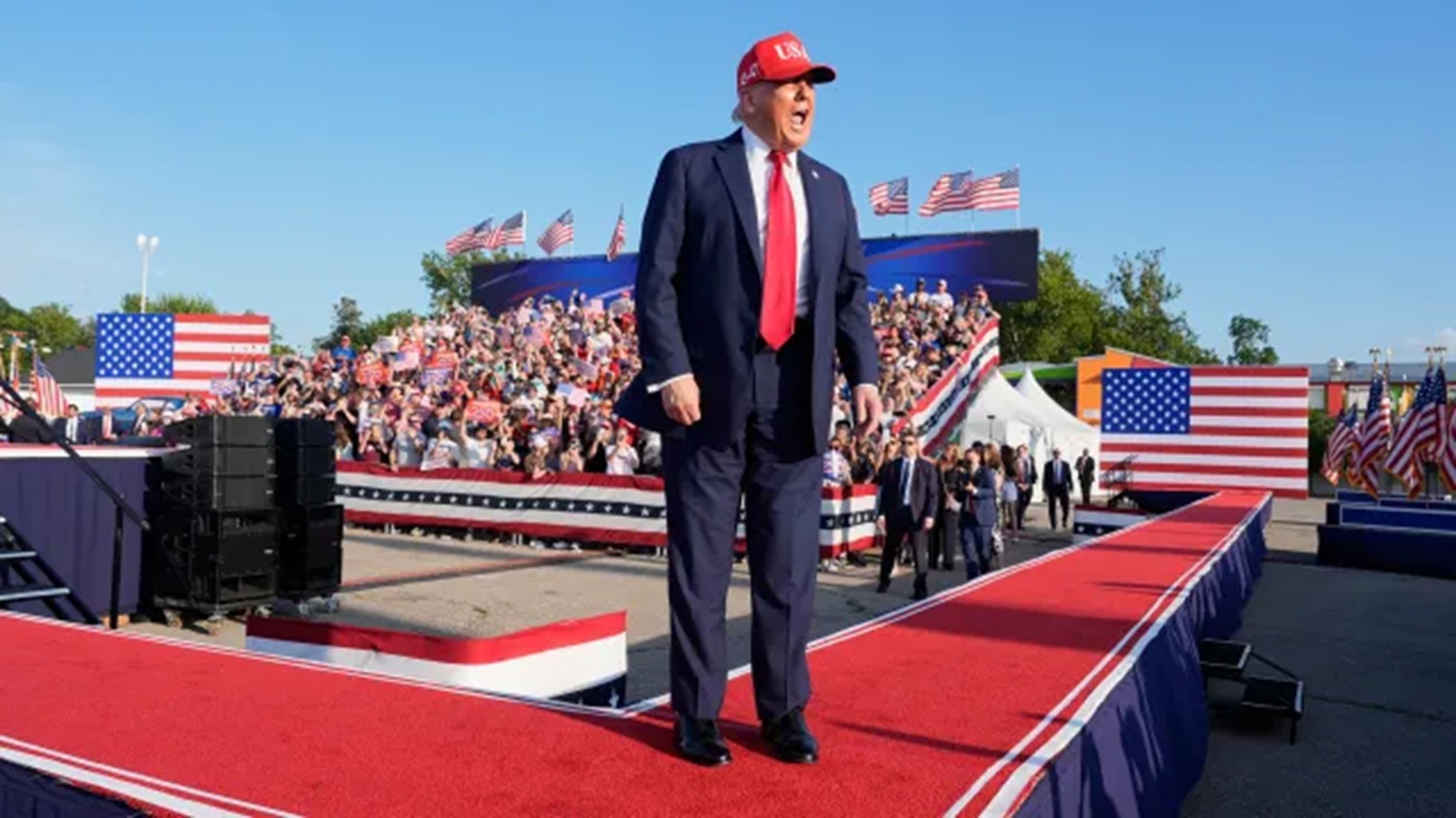
The US president’s recent address at the state fair further underscored this pivot.
Rather than a deep reflection on the nation’s 250-year history, his remarks focused primarily on his administration’s specific policy victories, including mass deportations, stringent border enforcement, and the removal of diversity, equity, and inclusion (DEI) programmes from federal agencies.
References to the Founding Fathers and the historical significance of the anniversary were relegated to brief mentions at the start and conclusion of his speech.
Physical branding of the republic
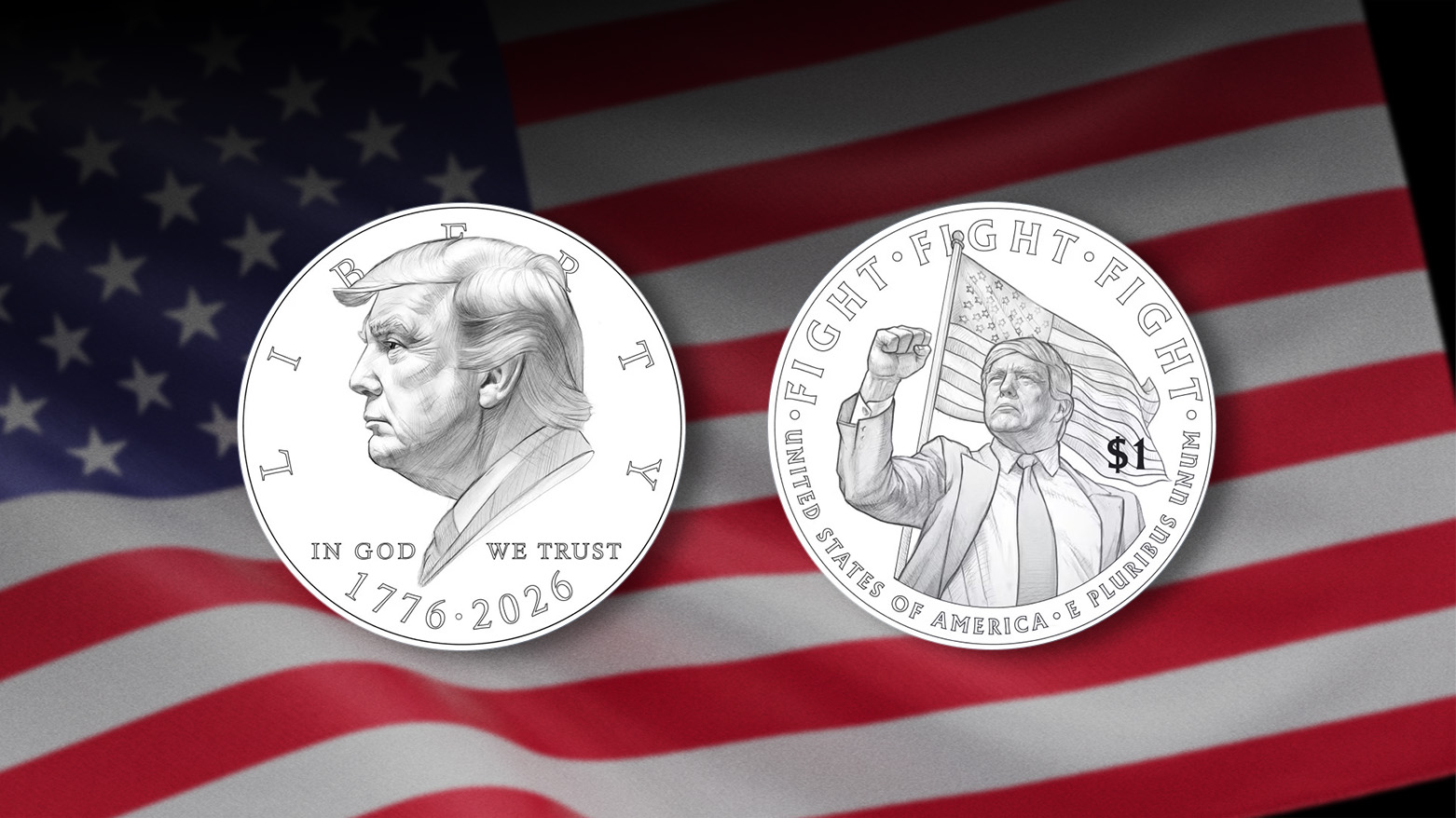
The visual landscape of the American capital has been similarly reshaped to reflect this new era of “Freedom 250.”
Large-scale banners featuring Trump’s image now hang from major federal institutions, including the Department of Justice and the Department of the Interior, where his likeness is displayed on an equal scale with George Washington.
A replica of a proposed 250-foot “triumphal arch” has been erected near the National Mall, and the US president’s name has been affixed to the US Institute of Peace.
Some of these rebranding efforts have faced practical challenges. An attempt to dye the Lincoln Memorial Reflecting Pool a specific shade of “American flag blue” has been hampered by significant algae growth and peeling paint.
Despite these issues, the administration continues to promote a packed schedule of events, including the “Patriot Games” and “Rededicate 250”, which officials claim will spark a resurgence of national pride under Trump’s specific leadership.
Eyes on the Mount Rushmore keynote
The festivities are set to intensify on 3 July, when Trump is scheduled to deliver a keynote speech at Mount Rushmore. The event is expected to serve as a backdrop for the debut of a luxury jet gifted by Qatar, which will be integrated into the Air Force One fleet.
The choice of location is particularly symbolic, as the US president has previously shared social media imagery suggesting his own face be added to the granite monument alongside Washington, Jefferson, Lincoln, and Roosevelt.
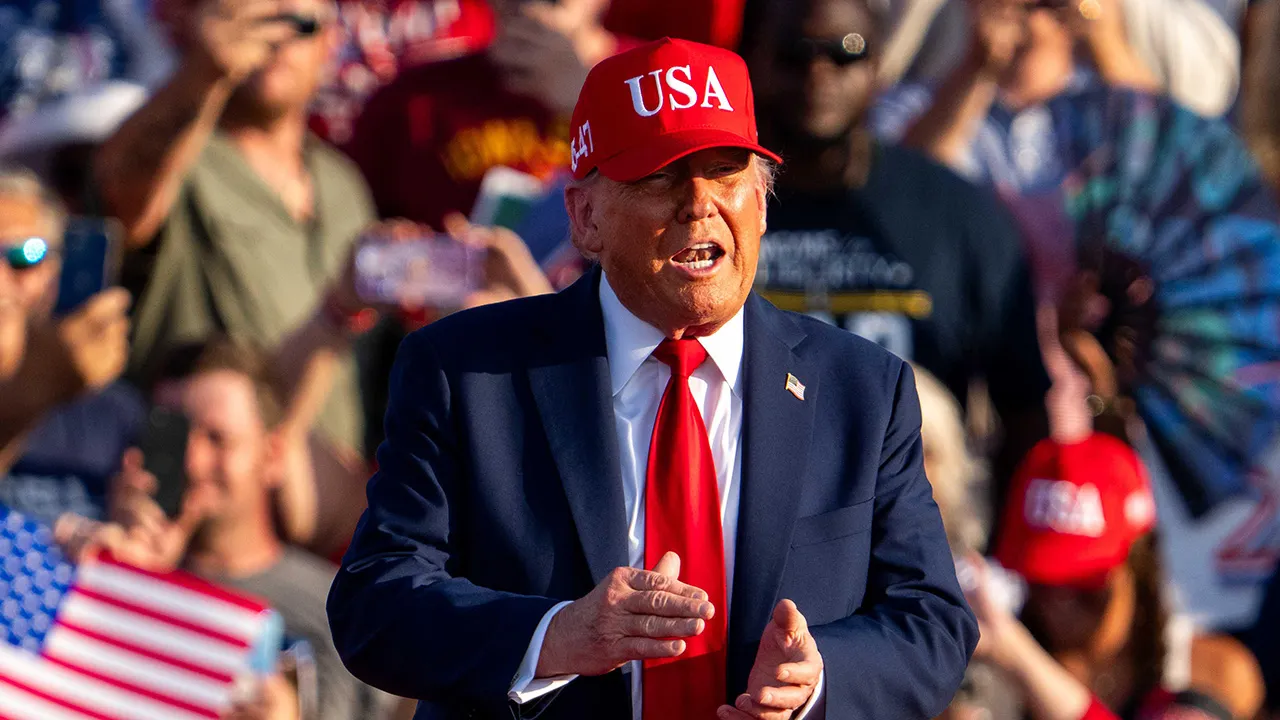
While supporters of the administration, such as DC resident Kelle George, argue that Trump’s presence is a “bonus” to the national birthday, others have expressed deep reservations.
Critics, including former military and federal leaders, have noted that the current celebrations appear to lack the humility traditionally expected of a national leader.
For these observers, the decision to place a single political figure at the heart of a 250-year milestone represents a fundamental shift in how the United States presents its democratic identity to the world.
