

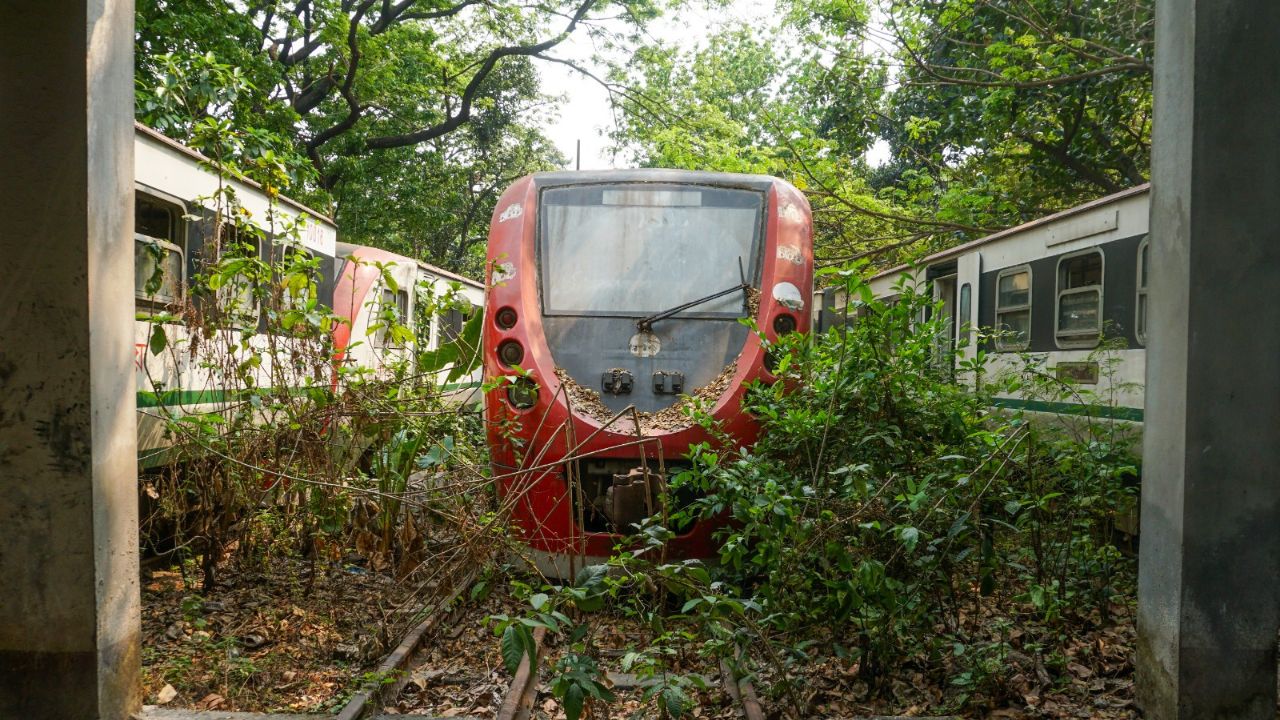

When Diesel-Electric Multiple Unit (DEMU) trains were introduced in Bangladesh in 2013, they carried the promise of a modern railway future. Imported from China at a cost of several hundred crore taka, the 20 commuter trains were meant to ease congestion on short-distance routes, reduce pressure on roads and offer affordable, faster travel for daily passengers.

For a brief period, the sleek red-and-green carriages symbolised progress and hope for railway modernisation. But within just a few years, that hope began to fade.


The DEMU project soon turned into one of the most controversial transport initiatives in Bangladesh’s railway history. Despite having a projected lifespan of more than two decades, most of the trains became inoperative within seven years due to a lack of maintenance, spare parts and proper technical support.
At the heart of the failure lay poor planning. No dedicated maintenance facilities were established, and railway engineers were not adequately trained to handle the new technology. The trains relied on specialised software and imported parts, making repairs expensive and complicated.

As breakdowns increased, many DEMU units were left abandoned in depots across the country, slowly turning into rusting symbols of wasted public investment.
Questions also emerged about procurement and feasibility. Transport experts argued that the trains were not suited to Bangladesh’s infrastructure or climate and were introduced without proper long-term planning. Passengers had already complained about poor ventilation, excessive heat and design issues such as high entry steps, which made boarding difficult for many commuters.

The socio-economic impact has been significant. Public funds produced little return, while commuters continued to rely on outdated and overcrowded rail services. The project also damaged public confidence in large-scale railway development initiatives, raising concerns about accountability and transparency in government spending.
Today, the idle DEMU carriages stand silently in railway yards, reminding citizens of promises that never materialised. Some officials still talk about repairing or salvaging the trains, while others suggest scrapping them altogether. Whatever the decision, the lesson is clear. Modernisation without planning, transparency and maintenance is not progress; it is merely an expensive illusion.
