


The BNP government is pursuing its national interests through a policy of strategic autonomy, engaging with major development partners while avoiding alignment with any defence bloc or alliance.
It has sought cooperation with international partners in areas that serve Bangladesh’s economic and strategic priorities.

Prime Minister Tarique Rahman’s recent visits have underscored the government’s efforts to secure support for economic revival, even in sectors that some development partners may consider sensitive.

Analysts say economic recovery is crucial, but maintaining a delicate balance among major powers is equally important.
During the prime minister’s recent visit to China, Dhaka and Beijing agreed to cooperate on the Teesta mega project, explore a proposed 2+2 mechanism involving the foreign and defence ministers of both countries, and examine the possibility of direct connectivity between Bangladesh and China through Myanmar.

These issues carry geopolitical sensitivities and external implications. However, the government believes that strategic autonomy allows Bangladesh to pursue projects that align with its national interests, regardless of the concerns of other partners.
Strategic autonomy refers to a country’s ability to independently pursue its national interests, defence capabilities and foreign policy without excessive reliance on external powers.
The government believes that achieving national objectives requires engagement with all willing partners and that cooperation should be guided by Bangladesh’s own interests.
The previous Awami League government had explored Chinese assistance for the Teesta and Mongla Port expansion projects but did not proceed amid strong objections from India.
Sheikh Hasina’s government signed an initial deal for Chinese cooperation, but following a bilateral visit to New Delhi in 2024, Hasina publicly clarified that she wanted Delhi to handle river management, as India controls the Teesta waters.
Similarly, her government sought to avoid explicitly awarding the Mongla Port expansion project to China due to India’s security concerns.
The BNP government, however, considers the projects vital for national development and is prepared to work with Beijing, as China has expressed interest.
At the same time, the government maintains that Bangladesh will not join any military alliance or defence bloc and will continue to follow an independent foreign policy.
Engaging development partners
Since assuming office, Foreign Minister Khalilur Rahman has visited most of Bangladesh’s major development partners, including India, China, Russia, the United States and Belgium, where the headquarters of the European Union is located.
Tarique Rahman’s recent visits to Malaysia and China demonstrated the government’s efforts to engage key international partners within its first four months in office.
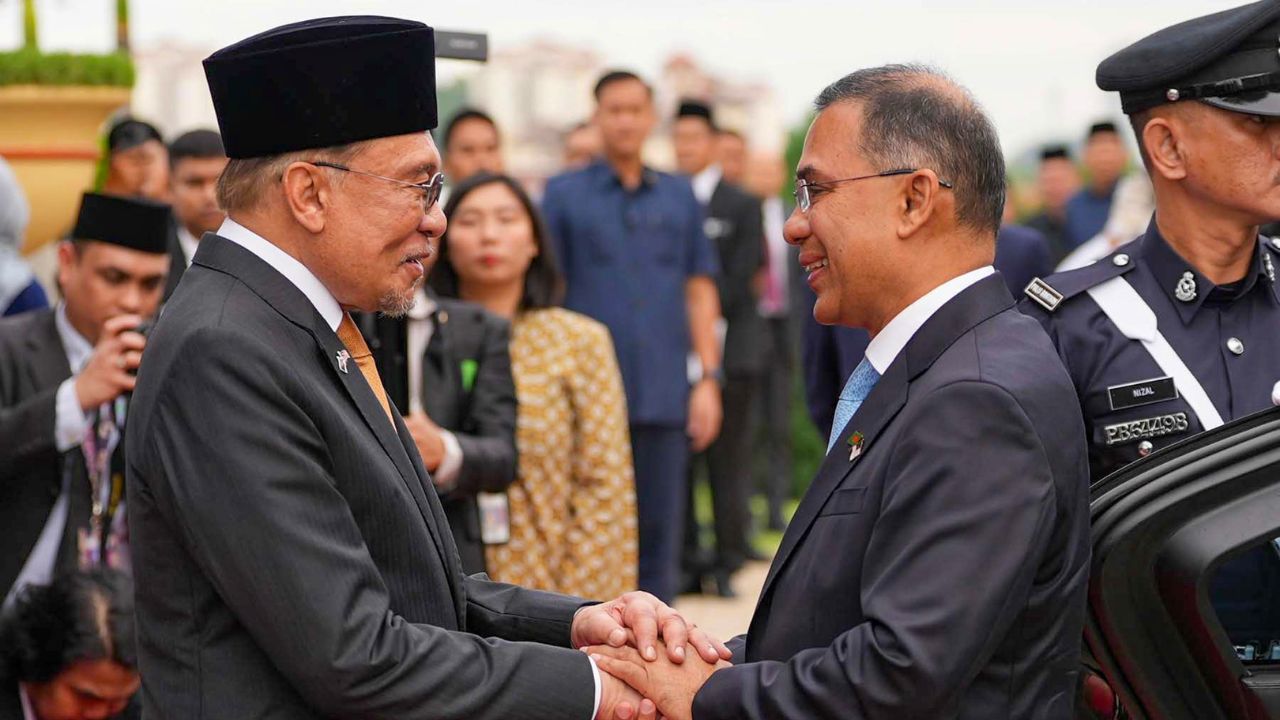
Photo: PID
The BNP government has received broad political support from most development partners. However, while New Delhi’s diplomatic messaging has remained positive, Dhaka is dissatisfied with India’s actions on issues such as border killings and the push-in of people across the frontier.
Shared future
Bangladesh and India signed a framework agreement on cooperation during former Indian prime minister Manmohan Singh’s visit to Dhaka in 2011. One of its key provisions emphasised cooperation to achieve a “shared destiny” based on mutual development and regional stability.
Fifteen years later, Bangladesh and China have adopted similar language, agreeing to build a “community with a shared future”, reflecting the growing strategic and economic engagement between the two countries.
Experts note that such formulations are common in modern diplomacy and are intended to strengthen long-term partnerships. However, they caution that Bangladesh must maintain a delicate balance among major powers to protect its broader national interests.
Given its strategic location in the Indo-Pacific and its economic dependence on multiple partners, Bangladesh cannot afford to be perceived as aligning exclusively with any particular power bloc.
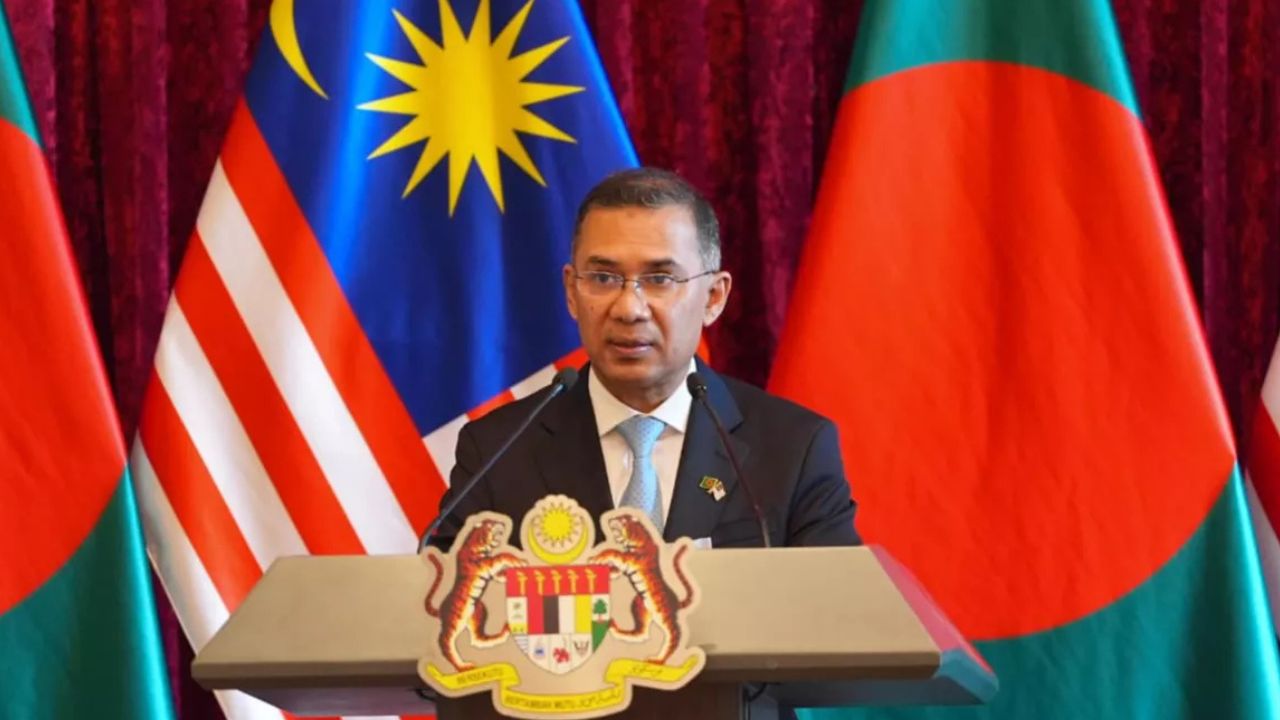
China remains a major source of infrastructure investment and development financing, while India is an immediate neighbour with deep cultural, economic and security linkages.
At the same time, the United States and the European Union are among Bangladesh’s largest export destinations and important political and development partners.
Experts argue that strategic autonomy does not mean choosing one partner over another; rather, it means engaging all partners based on national priorities while avoiding entanglement in geopolitical rivalries or military alliances. The challenge for Dhaka is to maximise economic opportunities without creating perceptions that could undermine trust among other key stakeholders.
They say cooperation for a “shared future” should complement, rather than conflict with, Bangladesh’s relations with other countries. Any initiative that appears to threaten the interests or sensitivities of regional powers could complicate Dhaka’s diplomatic manoeuvrability and affect its long-term strategic interests.
