

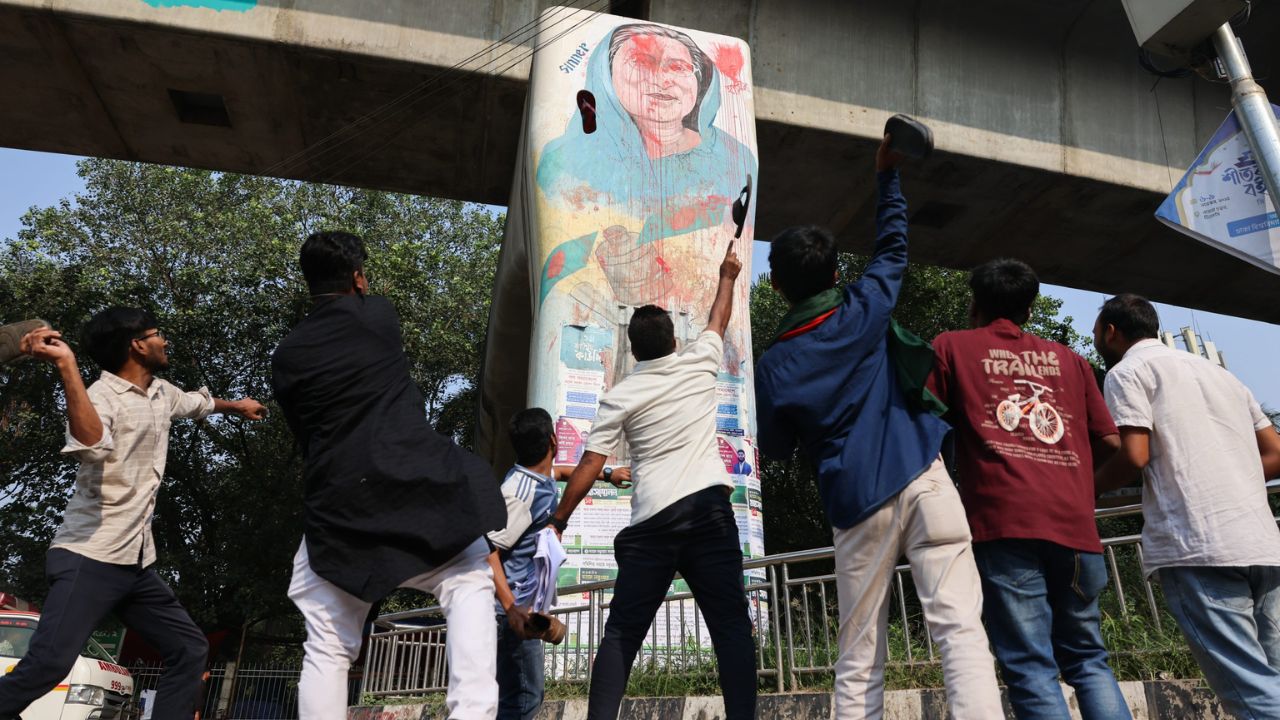
The political landscape of South Asia is currently defined by a paradox of high expectations and structural fragility.
While the youth-led “Gen Z” revolutions in Bangladesh, Nepal, and Sri Lanka successfully dismantled long-standing administrations, the successor governments are finding that popular mandates are insufficient protection against deep-seated economic and geopolitical volatility.

An analysis by the Royal Institute of International Affairs, also known as Chatham House – is a British think tank based in London, delves into the perils of protest-led governance in South Asia.

Architecture of disruption
The wave of upheaval began with Sri Lanka’s 2022 “Aragalaya,” followed by Bangladesh’s “Monsoon Revolution” in 2024 and Nepal’s 2025 uprising.
Although triggered by distinct catalysts – ranging from sovereign debt in Colombo to public sector quotas in Dhaka and digital censorship in Kathmandu – these movements shared a common DNA: a digital-age rejection of nepotism, corruption, and autocratic governance.

However, the electoral outcomes of these revolutions suggest divergent national appetites for change. Nepal embraced radicalism by electing former rapper Balendra Shah, while Sri Lanka moved toward a Marxist-Leninist framework under President Anura Kumara Dissanayake.
In contrast, Bangladesh opted for a form of institutional continuity, returning BNP to power under Tarique Rehman.
Delivery gap and internal friction
The sources indicate that the “honeymoon period” for these administrations has been abbreviated by an inability to translate revolutionary fervour into administrative efficiency.
In Nepal, the prime minister’s anti-corruption credentials have been tarnished by early cabinet scandals, while his focus on a young, urban demographic risks deepening regional and generational divides.
Sri Lanka’s administration faces a similar crisis of confidence, as austerity measures and the perceived mismanagement of the Cyclone Ditwah recovery have already eroded the ruling coalition’s local electoral support.

Meanwhile, Bangladesh’s transition is hampered by a surge in violent crime and skepticism regarding the BNP’s willingness to implement the full suite of reforms promised in the “July National Charter.”
External shocks and the Indian factor
The governance crisis is being compounded by the war in Iran, which has throttled the flow of vital foreign remittances from the Gulf and forced stringent fuel rationing across the three nations.
This economic squeeze has limited the fiscal space required to deliver on populist promises.
Concurrently, the relationship with New Delhi remains a source of both necessity and tension. While India provides essential humanitarian and energy assistance, its regional assertiveness continues to provoke local mistrust.

The Bharatiya Janata Party’s (BJP) recent electoral success in West Bengal presents a “mixed blessing” for Dhaka; it may facilitate a resolution to the Ganga water-sharing treaty but simultaneously risks inflaming border tensions through identity-based immigration crackdowns.
A contagion of uncertainty
There are also signs that the youth-led volatility seen in Dhaka and Colombo is permeating Indian domestic politics.
The rise of the “Cockroach Janta Party” and the electoral success of the youth-centric TVK in Tamil Nadu indicate that India is not immune to the demographic pressures affecting its neighbours.
These shifts in Indian state-level politics could further complicate relations with Sri Lanka, particularly regarding fishing rights and Tamil minority protections.
Ultimately, the sources warn that if these new governments remain paralysed by inexperience or external shocks, the same revolutionary energy that brought them to power may inevitably be turned against them.
