

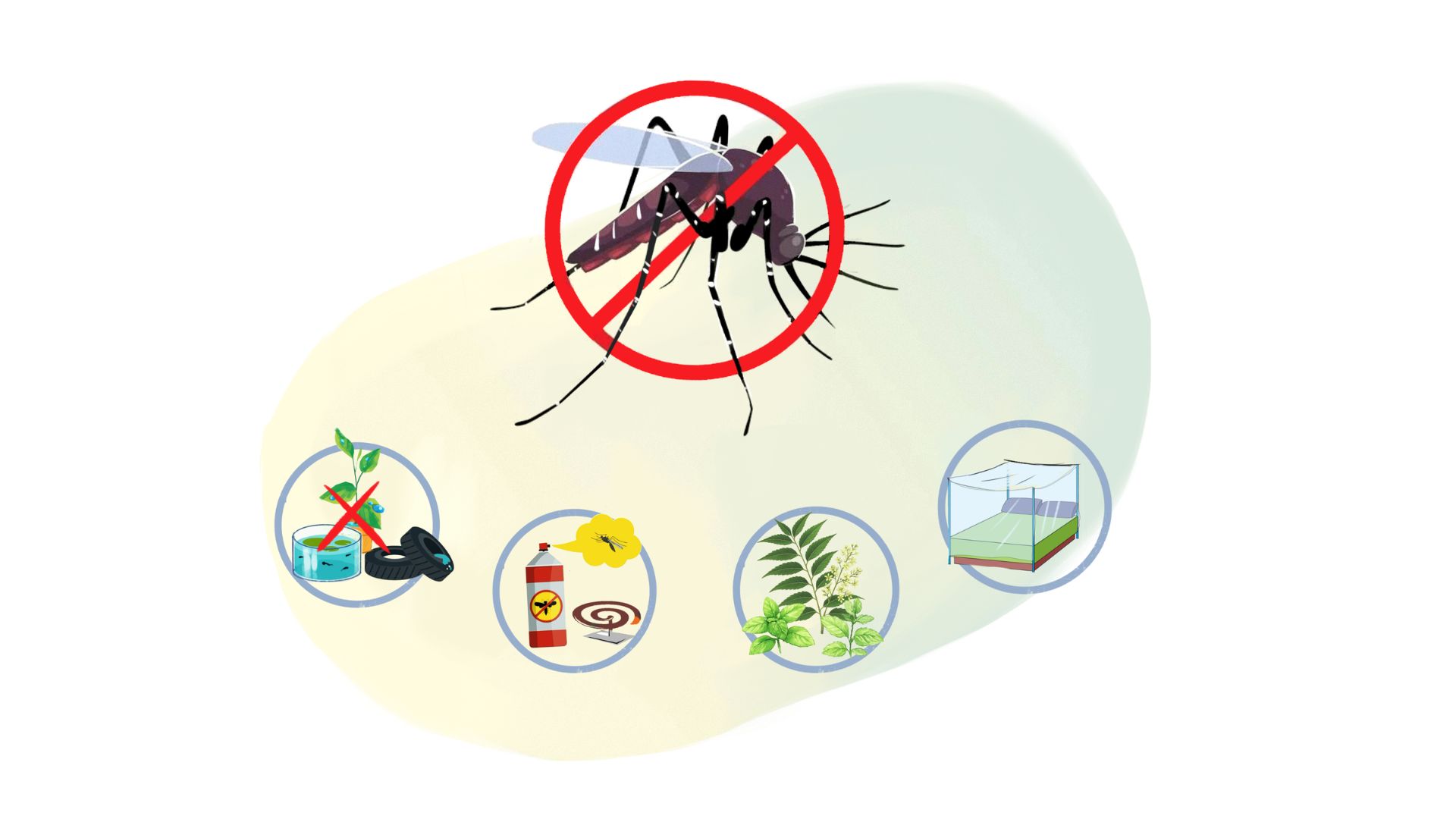
As monsoon approaches, the threat of dengue once again looms over Bangladesh. Recent reports indicate that the virus continues to claim lives, with five deaths recorded in a single 24-hour period in late June 2026, bringing the yearly fatality count to 18 across divisions like Dhaka, Chattogram, and Mymensingh.
With the total caseload for 2026 already exceeding 5,900, proactive strategies at home are essential for survival.

Eliminating breeding grounds
The primary vector, the Aedes mosquito, is unique because it breeds in clean, stagnant water rather than the dirty water typically found in sewers. This means your own home and yard are the first lines of defence.

Health experts recommend a rigorous “2 to 3-day rule” for cleaning stagnant water to disrupt the mosquito’s life cycle.
Inside the home, focus on areas that are often overlooked: flower vases, potted plant plates, and water tanks. Even the trays under refrigerators and air conditioners can collect enough water for larvae to thrive.
Outside, common breeding sites include discarded tyres, coconut shells, old cans, and plastic cups. When clearing these areas, it is advisable to wear protective clothing and gloves to avoid direct contact with larvae-infested water.
Personal protection and timing
Protection is not just about the environment; it is also about personal habits. Timing is critical, as Aedes mosquitoes are most active during dawn and dusk. During these peak infestation periods, residents should keep doors and windows closed or use structural barriers like screens and netting.
When heading outdoors, minimise skin exposure by wearing long-sleeved shirts, long pants, and socks, ideally tucking pant legs into socks for maximum coverage. For chemical protection, use repellents containing at least 10 percent DEET, though care should be taken to avoid using these products on babies under two months.
DEET (N,N-diethyl-meta-toluamide), for the unaware, is the most common active ingredient used in commercial insect repellents.
While sleeping, the use of insecticide-treated mosquito nets remains one of the most effective natural barriers to prevent nighttime attacks.
Natural and modern repellents
For those looking for holistic wellness additions to their homes, certain plants serve as natural deterrents. Basil, mint, and rosemary, for example, emit fragrances that naturally repel mosquitoes and can be kept on balconies or in gardens.
For centuries, Neem (Azadirachta indica) has also been valued as a versatile “green guardian” for its protective properties.
Protecting the community
Wellness extends beyond the individual to the household. If a family member is already infected with dengue, they must be kept under a mosquito net for at least 12 days after symptoms appear. This prevents local Aedes mosquitoes from biting the patient and carrying the virus to others in the vicinity.
Vigilance is essential. If symptoms escalate, seek professional treatment at a hospital immediately. Additionally, those who are not yet ill should avoid visiting at-risk areas where outbreaks are actively reported to minimise further exposure.
By combining environmental management, such as cleaning house premises and clearing drains, with personal vigilance, residents can significantly reduce the risk of infection.
In a year where hospitalisations are already rising, these simple steps are not mere “tips” – they are vital components of a community-wide effort to stay healthy and safe.
