


University Grants Commission (UGC) of Bangladesh has initiated the formulation of a universal anti-plagiarism policy to prevent intellectual theft in higher education and research.
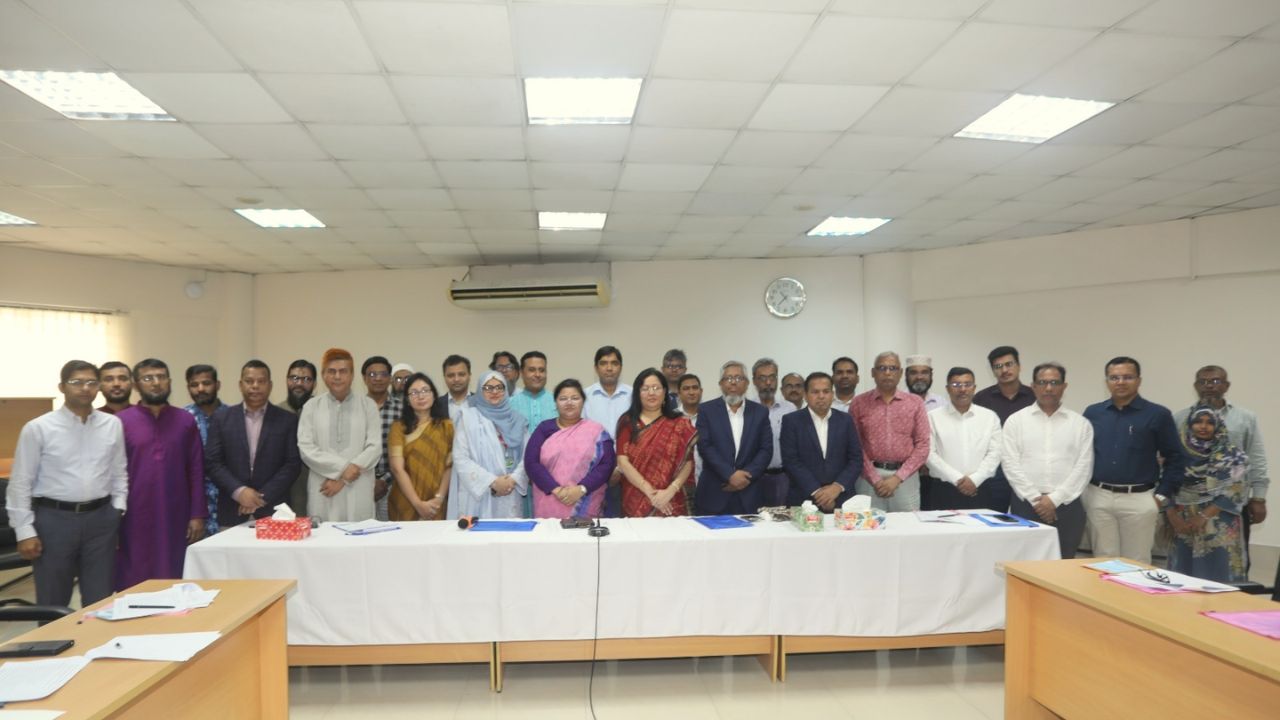
The announcement was made during a workshop held at the UGC auditorium on Monday to gather stakeholder feedback on the draft policy.


Speaking as the chief guest, UGC Member Masuma Habib said, “Various universities in the country have already separately formulated anti-plagiarism policies. However, universities are implementing these policies in isolation. The policy created through UGC’s central initiative will serve as a uniform guideline for all.”
She further noted that the central policy would be particularly beneficial for young researchers. “Through this, researchers will gain a clear understanding of citation, rules for using data and information, and the ethical aspects of research,” she added, expressing her belief that it will both prevent plagiarism and increase awareness on the subject.
Acknowledging the timing of the initiative, she stated, “UGC has started activities regarding the anti-plagiarism policy, albeit late.” She expressed gratitude to those involved, noting that stakeholder feedback would ensure the policy is universal and globally acceptable.
Masuma also emphasised the role of educators, stating, “University teachers and researchers must place more importance on ethics. If teachers provide ethical education to students, plagiarism in research will decrease.”
The workshop was chaired by Director of the UGC’s Strategic Planning and Quality Assurance (SPQA) division Durga Rani Sarkar. She explained that the UGC has undertaken this initiative to prevent plagiarism in academic and research reports.
Before finalising the draft, opinions are being sought from university teachers, researchers, administrators, and relevant stakeholders, with necessary amendments to be made based on their feedback, she added.
Moderated by SPQA Deputy Director Mohammad Monir Ullah, the workshop was attended by senior UGC officials as well as directors and additional directors of the Institutional Quality Assurance Cells (IQAC) from 21 public and private universities.
